

Humor is one of the first social skills kids pick up. Long before sarcasm or clever wordplay, they laugh at silly sounds, exaggerated faces, and small surprises. That early laughter does more than entertain—it builds confidence, connection, and emotional safety. When humor feels welcoming, people relax. When it feels safe, everyone joins in.
Kid-friendly jokes live right at the center of that shared laughter. They don’t rely on shock, embarrassment, or exclusion. Instead, they use imagination, rhythm, and kindness. A clean, simple joke can turn a quiet car ride into a giggle-fest, soften a tense classroom moment, or bring three generations together over the same punchline.
And in a world where online humor often drifts into sarcasm or meanness, kid-friendly jokes do the opposite. They slow things down. They invite participation. They remind us that laughter doesn’t need edge to hit—it just needs to feel human.
This guide explores how kid-friendly jokes work, where they shine, and why they matter more than we think. From classrooms to birthday parties to digital screens, you’ll see how accessible humor creates small moments people remember long after the laugh fades.
Kid-Friendly Jokes Explained: What Makes a Joke Safe for All Ages
Kid-friendly jokes are built on inclusion. They skip topics that confuse, frighten, or single people out—and lean into things everyone recognizes: school days, pets, food, weather, and everyday goofs. The goal isn’t to be clever at someone’s expense but to create a moment where everyone feels comfortable laughing together.
Practically, that means clean language, simple references, and light emotions. Exaggeration, physical humor, and basic wordplay work especially well—they land instantly and don’t need explaining.
When humor feels safe, people open up. Kids raise their hands. Shy students join in. Families talk more freely. That’s the quiet strength of kid-friendly humor—it opens doors instead of closing them.
Kid-Friendly Jokes for Kids: Simple, Clean, and Easy-to-Understand Humor
Kid-friendly jokes for kids thrive on rhythm and predictability. They use familiar setups, clear wording, and playful twists that feel rewarding instead of confusing. Kids love them because they can remember and share them—turning humor into a language all its own on playgrounds and at home.
Examples kids love:
1. Why did the math book look sad? 📘😢 It had too many problems.
2. What do you call a sleeping dinosaur? 🦖💤 A dino-snore.
3. Why did the bicycle fall over? 🚲😆 It was two-tired.
4. What do clouds wear under their clothes? ☁️👕 Thunderwear.
5. Why did the banana go to the doctor? 🍌🏥 It wasn’t peeling well.
6. What do you call cheese that isn’t yours? 🧀😂 Nacho cheese.
7. Why did the scarecrow win an award? 🌾🏆 He was outstanding in his field.
8. What do you call a bear with no teeth? 🐻😁 A gummy bear.
9. Why did the computer go to school? 💻📚 To learn more bytes.
10. What did one wall say to the other? 🧱😉 I’ll meet you at the corner.
These jokes do more than make kids laugh—they build confidence. When kids tell a joke and it lands, they feel capable, seen, and proud.
Kid-Friendly Jokes for Families: Humor Everyone Can Laugh At Together
Family-friendly jokes bridge generations by focusing on the everyday—mealtimes, chores, holidays, and the small chaos that keeps life interesting. They’re relatable without being boring, and gentle without being dull. That’s what makes them perfect for dinner tables, car rides, or lazy weekends.
Family-safe favorites:
1. Why did dad bring a ladder to dinner? 🪜🍽️ Because the food was on another level.
2. Why did mom bring a pencil to bed? ✏️😴 In case she had to draw the curtains.
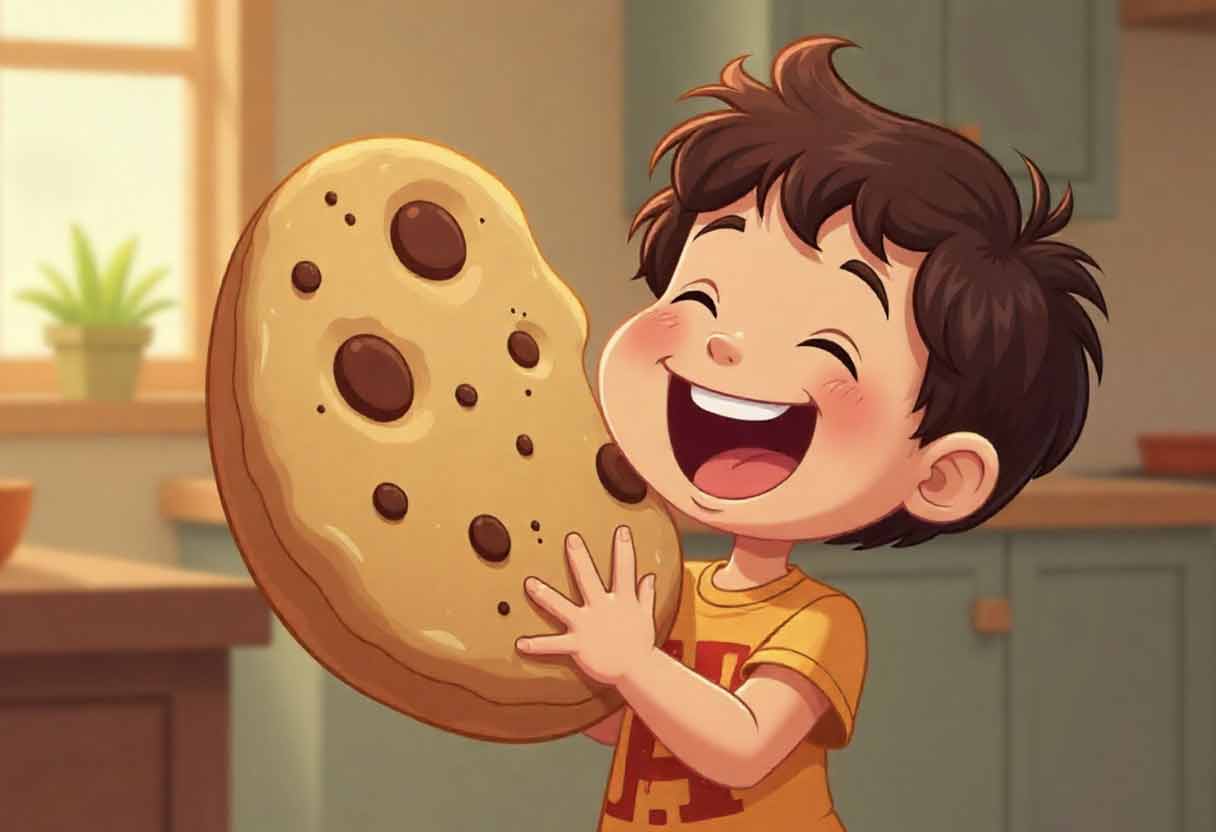
3. Why did the cookie go to the doctor? 🍪🏥 It felt crummy.
4. Why did the calendar blush? 📅😳 It saw too many dates.
5. Why did the fridge take a break? 🧊😄 It needed to chill.
6. Why did the TV go to school? 📺🎓 To improve its reception.
7. Why did the tomato turn red? 🍅😂 It saw the salad dressing.
8. Why did the broom get promoted? 🧹🏅 It swept everyone away.
9. Why did the family dog sit in the shade? 🐶🌳 He didn’t want to be a hot dog.
10. Why did dad laugh at the clock? ⏰🤣 It tickled his funny bone.
Shared laughter becomes family shorthand—jokes that resurface years later, still funny because of who was there.
Kid-Friendly Jokes for School and Classroom Activities
In classrooms, humor works best when it supports learning. Clean jokes help reduce tension, boost focus, and make lessons stick. Teachers often use them as icebreakers, brain breaks, or gentle transitions between subjects.
Classroom-ready humor:
1. Why did the pencil cross the road? ✏️🚶 To draw attention.
2. Why did the teacher wear sunglasses? 😎📚 Because the class was so bright.
3. Why did the book join the gym? 📖💪 To get stronger covers.
4. Why did the math teacher smile? ➗😁 The numbers added up.
5. Why did the chalk stop working? 🧑🏫😆 It needed a break.
6. Why did the student bring string to school? 🧵🎒 To tie up loose ends.
7. Why did the notebook look proud? 📓🏆 It had great notes.
8. Why did the ruler laugh? 📏😂 It measured up.
9. Why did the eraser feel useful? 🧽🙂 It fixed mistakes.
10. Why did the class clap for the clock? ⏰👏 It kept them on time.
When laughter feels safe, learning follows naturally.

Kid-Friendly Jokes for Parties, Birthdays, and Group Games
Party humor needs to land fast and travel easily. Visual jokes, repetition, and quick punchlines shine in loud, happy spaces where laughter spreads like confetti.
Party-perfect jokes:
1. Why did the balloon bring a friend? 🎈😄 It didn’t want to pop alone.
2. Why did the cake feel famous? 🎂🌟 Everyone wanted a piece.
3. Why did the clown bring a notebook? 🤡📓 To keep track of funny business.
4. Why did the piñata smile? 🎉😁 It was a hit.
5. Why did the music stop? 🎶😆 It ran out of notes.
6. Why did the gift giggle? 🎁😂 It was wrapped up in fun.
7. Why did the hat dance? 🎩💃 It felt festive.
8. Why did the candles laugh? 🕯️🤣 They were lit.
9. Why did the party end late? 🕒😄 Too much fun.
10. Why did everyone clap at once? 👏🎉 The joke landed.
These quick laughs make group energy feel easy and connected.
Kid-Friendly Jokes for Storytelling, Books, and Bedtime Fun
Bedtime humor works best when it’s soft, calm, and imaginative. These jokes flow easily into stories, helping kids relax while still feeling playful.
Storytime favorites:
1. Why did the moon smile? 🌙😊 It heard a bedtime story.
2. Why did the teddy bear skip dessert? 🧸🍰 It was stuffed.
3. Why did the pillow laugh? 🛏️😂 It heard a soft joke.
4. Why did the star wink? ⭐😉 It knew a secret.
5. Why did the book yawn? 📖😴 Storytime was cozy.
6. Why did the blanket giggle? 🛌😄 It was tucked in.
7. Why did the nightlight smile? 💡🙂 It wasn’t afraid.
8. Why did the cat whisper? 🐱🤫 Sleepy jokes only.
9. Why did the dream wave hello? 😴👋 It was friendly.
10. Why did bedtime feel happy? 🌙💤 Laughter came first.
When bedtime ends with laughter, sleep feels safer—and softer.
Kid-Friendly Jokes That Use Wordplay, Puns, and Silly Language
Wordplay invites kids to explore how language works. Puns sneak learning into fun—they teach rhythm, meaning, and sound without ever feeling like a lesson.
Pun-filled fun:
1. What did the ocean say to the shore? 🌊😄 Nothing, it just waved.
2. Why did the cow get promoted? 🐄🏆 It was outstanding.
3. Why did the grape stop rolling? 🍇😂 It ran out of juice.
4. Why did the duck bring soap? 🦆🧼 To quack clean.
5. Why did the bee laugh? 🐝🤣 It heard a buzz-worthy joke.
6. Why did the bread smile? 🍞😊 It felt butter.
7. Why did the pencil relax? ✏️😌 It was sharp enough.
8. Why did the fish blush? 🐟😳 It saw the net.
9. Why did the apple giggle? 🍎😄 It was in good core-mpany.
10. Why did the shoe laugh? 👟😂 It had sole.
Language humor builds curiosity—and confidence.
Kid-Friendly Jokes Without Mean Humor, Insults, or Embarrassment
Kind humor makes everyone feel safe. It never relies on teasing, name-calling, or putting someone down. It’s built on shared situations, not personal targets.
Aim jokes outward or upward—toward objects, ideas, or shared moments. That’s how laughter stays easy and trust stays strong.
Being funny without being mean teaches empathy—a skill that lasts long after childhood.

Kid-Friendly Jokes Across Different Age Groups: Toddlers to Pre-Teens
Different ages, different giggles. Toddlers love repetition and sounds. Younger kids like visual jokes. Pre-teens start to enjoy clever wordplay. Adjusting humor by age keeps it fun for everyone.
| Age Group | Humor Style | Example Focus |
|---|---|---|
| Toddlers | Sounds & faces | Silly noises |
| Ages 4–6 | Visual jokes | Slapstick |
| Ages 7–9 | Wordplay | Simple puns |
| Ages 10–12 | Clever twists | Mild sarcasm |
When humor grows with kids, laughter never loses its place.
Kid-Friendly Jokes in Digital Content: YouTube, Games, and Online Media
Online, humor moves fast. Kid-friendly jokes thrive when they’re visual, clear, and easy to follow. Playful sound effects, expressive animation, and simple timing keep attention without crossing lines.
Creators who keep things clean earn trust. That trust builds loyal audiences—and laughter that parents don’t have to double-check.
Good digital jokes feel rewatchable. Kids come back not for shock, but for comfort.
Kid-Friendly Jokes and Emotional Learning: Teaching Kindness Through Humor
Humor shapes emotional intelligence. When kids laugh at shared moments instead of at people, they learn empathy in real time.
This kind of humor softens tension, repairs awkwardness, and helps kids connect.
Over time, laughter becomes more than fun—it becomes a way of understanding others.
Kid-Friendly Jokes That Adults Secretly Enjoy Too
The best kid-friendly jokes work on two levels. Kids love the simplicity; adults catch the timing or wordplay. That balance keeps humor fresh across generations.
Grown-ups prove that every time they buy a ticket. Nate Bargatze works clean—no shock, no cruelty, nothing a parent would have to explain on the way home—and his “Big Dumb Eyes” tour sold 2,045,040 tickets, which Guinness World Records confirmed in August as the most any stand-up tour has ever sold. He filled 129 venues doing it.
Clean humor isn’t the watered-down version of comedy. It’s the version everyone in the room can actually laugh at, which is exactly why it travels so far.
Cross-age crowd-pleasers:
1. Why did the calendar go to therapy? 📅😄 Too many dates.
2. Why did the coffee file a report? ☕😂 It got mugged.
3. Why did the computer sneeze? 💻🤧 It caught a bug.
4. Why did the lamp feel proud? 💡😊 It brightened the room.
5. Why did the phone laugh? 📱🤣 It got a good call.
6. Why did the shoes rest? 👟😌 They were tied.
7. Why did the fridge smile? 🧊😄 It stayed cool.
8. Why did the clock relax? ⏰😎 Time was on its side.
9. Why did the mirror giggle? 🪞😂 It saw itself.
10. Why did everyone laugh together? 😄👏 The joke worked.
Simple humor still holds power—it connects people of every age.
Why Kid-Friendly Jokes Matter More Than We Think
Kid-friendly jokes shape how we experience humor for life. They teach that laughter can be gentle, inclusive, and kind. That lesson sticks.
At home, in classrooms, and online, this kind of humor quietly strengthens communication. It turns laughter into connection instead of competition.
Choosing gentle humor is a small act that leaves a long echo.

Kid-Friendly Jokes That Leave Everyone Smiling at the End
The best kid-friendly jokes don’t chase a reaction—they create one naturally. They meet people where they are, invite them in, and leave them lighter than before. That’s why they fit everywhere—from bedtime to birthdays.
When you share clean, inclusive humor, you’re not just telling a joke. You’re creating a moment worth keeping. Keep those moments coming, and laughter will keep doing its quiet, powerful work.
For more on how humor supports child development, see the Early Childhood Christian Network’s guide to laughter in early childhood.




Leave a Reply